PERFECT DAYS

PERFECT DAYS
14 Sep - 16 Nov 2024
LA BIBI GALLERY
LA BIBI GALLERY / Carrer del Molí del Comte nº47A, 07010 Palma de Mallorca, Spain LA BIBI RESIDENCY / Carrer de Pomar nº4, Nave 3, 07010 Palma de Mallorca, Spain LA BIBI GALLERY MEX / Niños Héroes 20, 62778 Acamilpa, Mor., México, España
LA BIBI GALLERY / Carrer del Molí del Comte nº47A, 07010 Palma de Mallorca, Spain LA BIBI RESIDENCY / Carrer de Pomar nº4, Nave 3, 07010 Palma de Mallorca, Spain LA BIBI GALLERY MEX / Niños Héroes 20, 62778 Acamilpa, Mor., México, Palma de Mallorca, España
×
Failed to load exhibition address correctly
Overview
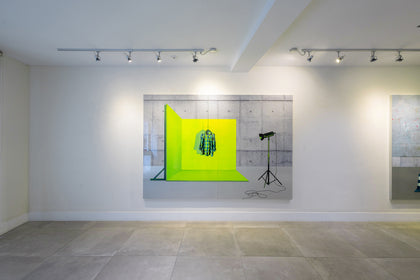
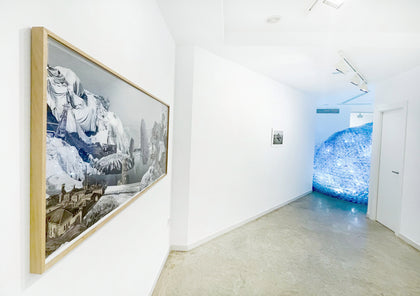
LA BIBI is delighted to present Miju Lee’s first solo exhibition with the gallery. The artist will
showcase a new selection of new paintings and sculptures especially made for this occasion.
In Miju Lee’s work, life appears smooth, and dreams speak constantly. Lonesome characters
pretend to enjoy the ordinary, and nothing seems to disturb while humans, nature and animals
coexists in a idyllic world. Dreamy, colorful, smooth-skinned figures inhabit a landscape where the
journey continually offers new spaces to explore and alternative ways to escape. In this latest
presentation, the notion of dreams evolves significantly from earlier traditions, merging the
boundaries between reality and imagination while capturing the complexities of modern life.
Over time, Lee’s main character has evolved, and has become significant to her creative process.
The "Yeti" reflects themes of isolation and connection but also tends to represent the ongoing
human quest for meaning amid uncertainty and the unknown. In a society that constantly stimulates
and tests our abilities, sensitivity, and emotions, introversion is often misunderstood and seen as
weaknesses, even though it is an asset. This mystical character takes on a more playful or
introspective role, symbolizing loneliness, the search for belonging, and the tension between being
part of the world and feeling like an outsider—a reflection on identity and existence.
In reference to Arthur Schopenhauer, the artist lets us peer into the world through her eyes and
invites us to reflect on the challenges of being human. Her paintings guide us on a journey to
explore the subconscious, personal narratives, and surreal realities. Inspired constantly by Michel
Tournier, this new series invites viewers to see the world through Lee’s perception, although, it is
not a diary of her state of mind but one directed outward to the world. This philosophical approach
could propose a reflection about relationships in Eastern culture, where personal well-being is
closely bound to the comfort of others. Tournier’s notion and Lee’s practice illuminate how our
inner worlds interact with the external world, and as well as inviting audiences to explore the
intricate spaces where imagination and reality intersect.
“Long ago, I got into the habit of noting down not only the stages and incidents of my travels, but
the small and large events of my daily life, the weather, the metamorphoses of my garden, the visits I
receive, the hard knocks and soft blows of fate.”
Michel Tournier (Journal extime, 2002)
Following her experience in Barcelona, interculturality became central to her exploration of human
conditions. Body and mind are not dissociated in creating a magical space that acknowledges the
differences of others. Accros Lee’s painting practice raises a profound questions about emotion,
representation, and the human condition. The existentialist tradition, exemplified by philosophers
like Jean-Paul Sartre and Martin Heidegger, emphasizes the inherent uncertainty and complexity of
our existence. Emotions, in this context, are seen as fundamental aspects of our being-in-the-world,
revealing our deepest concerns and aspirations.
Painting, and sculpture revered in some cultures, still unveil the mysteries of the human condition.
Once solely intended to represent what was truer than life, those mediums now offer reflections on
feelings. While language often supplants images, they remain unparalleled in expressing our inner
vibrations. In everyday life, being-in-the-world manifests in how we navigate our environments,
build relationships, and find meaning in our experiences. It underscores the idea that existence is not
a solitary journey but one that is always embedded in a larger context of interactions, meanings, and
responsibilities. It pushes boundaries, invites introspection, and fosters a deeper understanding of
how we exist within the vast, complex web of life.
The show’s title is an allusion to the renowned film directed by Wim Wenders. In both cases, it
profoundly paints a celebration of the ordinary. Through her imaginative content, Miju Lee offers a
visual meditation on being-in-the-world. It encourages viewers to slow down and appreciate the
nuances of daily life, to find joy in routine, and to be conscious of that every day, no matter how
habitual, holds the possibility of being perfect. It deeply reflects on our own presence, to explore the
boundaries of reality and imagination, and to recognize the connection that defines our place in the
world. This duality speaks to the contemporary condition, where individuals navigate in physical
and digital worlds, seeking meaning and connection in a rapidly changing environment.
Curatorial text by:
Sarah Suco Torres
September, 2024
showcase a new selection of new paintings and sculptures especially made for this occasion.
In Miju Lee’s work, life appears smooth, and dreams speak constantly. Lonesome characters
pretend to enjoy the ordinary, and nothing seems to disturb while humans, nature and animals
coexists in a idyllic world. Dreamy, colorful, smooth-skinned figures inhabit a landscape where the
journey continually offers new spaces to explore and alternative ways to escape. In this latest
presentation, the notion of dreams evolves significantly from earlier traditions, merging the
boundaries between reality and imagination while capturing the complexities of modern life.
Over time, Lee’s main character has evolved, and has become significant to her creative process.
The "Yeti" reflects themes of isolation and connection but also tends to represent the ongoing
human quest for meaning amid uncertainty and the unknown. In a society that constantly stimulates
and tests our abilities, sensitivity, and emotions, introversion is often misunderstood and seen as
weaknesses, even though it is an asset. This mystical character takes on a more playful or
introspective role, symbolizing loneliness, the search for belonging, and the tension between being
part of the world and feeling like an outsider—a reflection on identity and existence.
In reference to Arthur Schopenhauer, the artist lets us peer into the world through her eyes and
invites us to reflect on the challenges of being human. Her paintings guide us on a journey to
explore the subconscious, personal narratives, and surreal realities. Inspired constantly by Michel
Tournier, this new series invites viewers to see the world through Lee’s perception, although, it is
not a diary of her state of mind but one directed outward to the world. This philosophical approach
could propose a reflection about relationships in Eastern culture, where personal well-being is
closely bound to the comfort of others. Tournier’s notion and Lee’s practice illuminate how our
inner worlds interact with the external world, and as well as inviting audiences to explore the
intricate spaces where imagination and reality intersect.
“Long ago, I got into the habit of noting down not only the stages and incidents of my travels, but
the small and large events of my daily life, the weather, the metamorphoses of my garden, the visits I
receive, the hard knocks and soft blows of fate.”
Michel Tournier (Journal extime, 2002)
Following her experience in Barcelona, interculturality became central to her exploration of human
conditions. Body and mind are not dissociated in creating a magical space that acknowledges the
differences of others. Accros Lee’s painting practice raises a profound questions about emotion,
representation, and the human condition. The existentialist tradition, exemplified by philosophers
like Jean-Paul Sartre and Martin Heidegger, emphasizes the inherent uncertainty and complexity of
our existence. Emotions, in this context, are seen as fundamental aspects of our being-in-the-world,
revealing our deepest concerns and aspirations.
Painting, and sculpture revered in some cultures, still unveil the mysteries of the human condition.
Once solely intended to represent what was truer than life, those mediums now offer reflections on
feelings. While language often supplants images, they remain unparalleled in expressing our inner
vibrations. In everyday life, being-in-the-world manifests in how we navigate our environments,
build relationships, and find meaning in our experiences. It underscores the idea that existence is not
a solitary journey but one that is always embedded in a larger context of interactions, meanings, and
responsibilities. It pushes boundaries, invites introspection, and fosters a deeper understanding of
how we exist within the vast, complex web of life.
The show’s title is an allusion to the renowned film directed by Wim Wenders. In both cases, it
profoundly paints a celebration of the ordinary. Through her imaginative content, Miju Lee offers a
visual meditation on being-in-the-world. It encourages viewers to slow down and appreciate the
nuances of daily life, to find joy in routine, and to be conscious of that every day, no matter how
habitual, holds the possibility of being perfect. It deeply reflects on our own presence, to explore the
boundaries of reality and imagination, and to recognize the connection that defines our place in the
world. This duality speaks to the contemporary condition, where individuals navigate in physical
and digital worlds, seeking meaning and connection in a rapidly changing environment.
Curatorial text by:
Sarah Suco Torres
September, 2024